
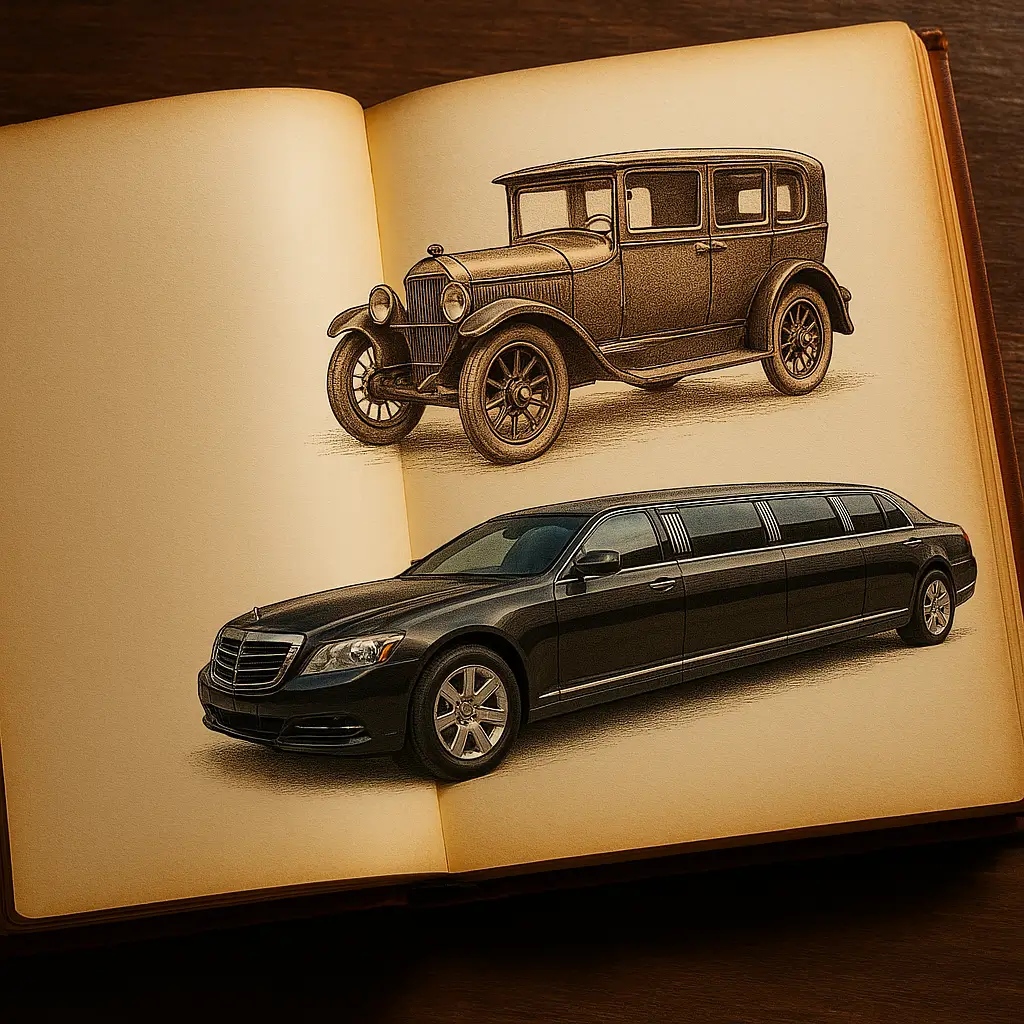
When most people hear the word limousine, they instantly picture long, luxurious cars carrying celebrities, executives, or brides on their wedding day. However, the story behind the origin of the word limousine is far more surprising and historically rich than many realize. Long before the sleek black vehicles we recognize today, the term had very different associations tied to French culture, clothing, and regional identity.
The French Roots of the Word
The origin of the word limousine can be traced back to France in the early 20th century. The name comes from the French region of Limousin, located in central France. People from this region, called Limousins, wore a distinctive hooded cloak designed to protect them from the wind and rain.
When the first covered motor vehicles appeared, their passenger compartments reminded people of these cloaks—enclosed, protective, and shielded from the outside. Thus, the word limousine was used to describe cars with an enclosed cabin for passengers. It wasn’t about luxury at first; it was about practicality and shelter.
The Evolution from Practical to Prestigious
As automobiles became more advanced, the term limousine started to evolve. Initially, a limousine was simply a vehicle where the driver sat outside while passengers rode in an enclosed cabin. This was common in horse-drawn carriages too, where wealthy passengers enjoyed privacy while coachmen drove from the exposed front seat.
Over time, wealthier clients demanded more comfort, space, and elegance. Car manufacturers began to stretch the bodies of their vehicles, add plush interiors, and separate drivers from passengers with partitions. Thus, the origin of the word limousine shifted in meaning—from describing a protective covering to symbolizing elite, luxurious transportation.
The Limousine in American Culture
The limousine’s reputation for luxury grew rapidly in the United States during the early 20th century. By the 1920s and 1930s, they became the preferred vehicles for Hollywood stars, business tycoons, and political leaders. The long body design, tinted windows, and chauffeur-driven service all contributed to the limousine’s new image as the ultimate status symbol.
Even today, the origin of the word limousine reminds us of its humble beginnings in France, yet its American reinvention made it an international icon.
Symbolism Beyond Transportation
The limousine is not just a vehicle—it represents power, elegance, and exclusivity. Weddings, proms, and corporate events often include limousine rentals because of the status they convey. This cultural transformation would not have been possible without the word’s French roots, which connect modern luxury with historical practicality.
Interestingly, the evolution of the term mirrors the evolution of society itself. What started as a simple description of a protective hood has become a global symbol of success and sophistication.
The Origin of the Word Limousine in Modern Context
Today, when we discuss the origin of the word limousine, we can see how language adapts to cultural changes. In its earliest form, the word had nothing to do with wealth or extravagance. Yet as transportation advanced and society placed higher value on comfort and privacy, the meaning shifted dramatically.
This shift also reflects how branding and perception shape language. For many, the word limousine doesn’t just describe a type of car—it evokes emotions, prestige, and an aspirational lifestyle.
Conclusion
The origin of the word limousine offers a fascinating journey from the cloaks of French shepherds to the red carpets of Hollywood. What began as a practical term tied to weather protection transformed into a word synonymous with luxury, privacy, and status.
Understanding this surprising history not only enriches our knowledge of language but also highlights how culture, technology, and fashion influence the way we use words. Next time you see a limousine glide by, you’ll know it carries more than passengers—it carries centuries of history and meaning.




